

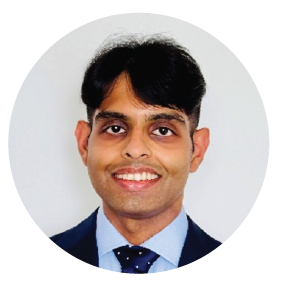

Director (Aged Care Services), Ageing Planning Office, Ministry of Health, Singapore
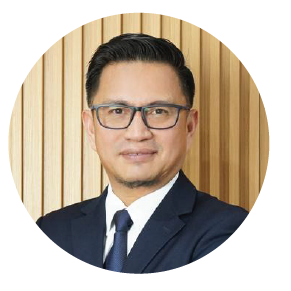
Director-General of the Health Policy Agency, Ministry of Health, Republic of Indonesia

Senior Advisor, Global Centre for Asian Women’s Health, National University of Singapore
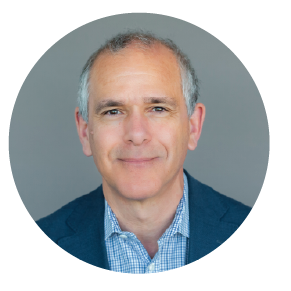
Director, Institute for Health Metrics and Evaluation, University of Washington

Chair Professor and Director, Global Centre for Asian Women’s Health, National University of Singapore
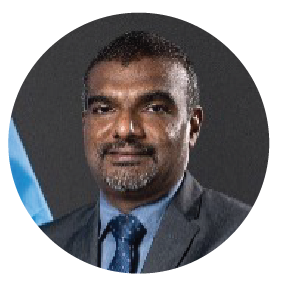
Coordinator for Health Information and Digital Health, WHO Regional Office for the Western Pacific
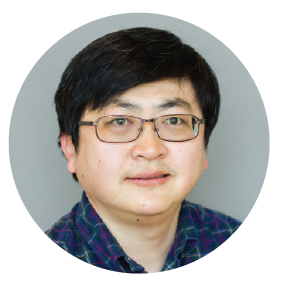
Unit Head, Data, Standards and Analytics, World Health Organization
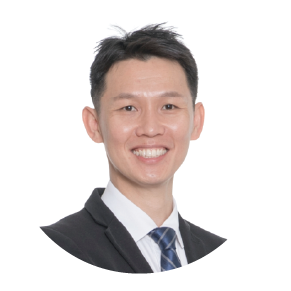
Director, Heat Resilience and Performance Centre, National University of Singapore

Adjunct Assistant Professor, Signature Research Programme in Health Services Research & Population Health, Duke-NUS Medical School

Co-Chair, Global Heat Health Information Network
Senior Advisor for Climate and Health, World Meteorological Organization
Senior Advisor on Climate, Environment and Health, Inter-American Institute for Global Change Research

Assistant Professor of Health Metrics Sciences, Institute for Health Metrics and Evaluation, University of Washington

Lead Research Scientist, Institute for Health Metrics and Evaluation, University of Washington

Associate Professor and Director, NUS-IHME Global Burden of Disease Research Centre, National University of Singapore
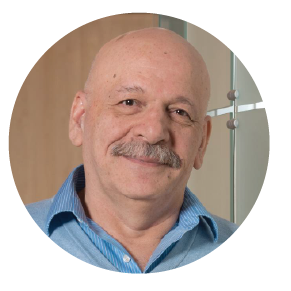
Professor of Health Metrics Sciences, Institute for Health Metrics and Evaluation, University of Washington
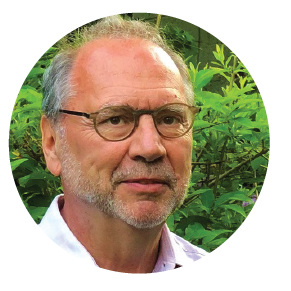
Professor of Global Health and former Director, London School of Hygiene & Tropical Medicine
Chair, Global Burden of Disease Independent Advisory Committee
Head of Ageing and Health, World Health Organization

Vice-Dean (Research) and Zayed bin Sultan Al Nahyan Professor of Medicine, Yong Loo Lin School of Medicine, National University of Singapore
Principal Social Sector Economist, Asian Development Bank

Director, Disease Policy & Strategy Division, Ministry of Health, Singapore
Senior Advisor, JLI Center of Global Health Diplomacy
Chief Representative and Director of the CMB Foundation Bangkok Office
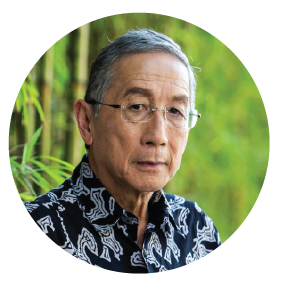
Visiting Professor, Yong Loo Lin School of Medicine, National University of Singapore
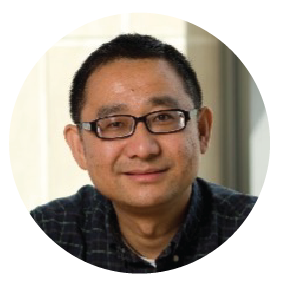
Dean and Distinguished Professor, Institute of Nutrition, School of Public Health, Fudan University
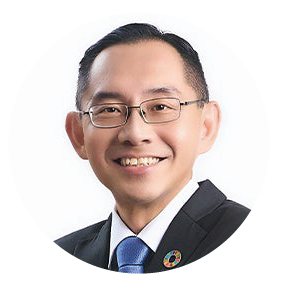
Dean and Professor, Saw Swee Hock School of Public Health, National University of Singapore
Vice President (Global Health), Office of Global Health, National University of Singapore
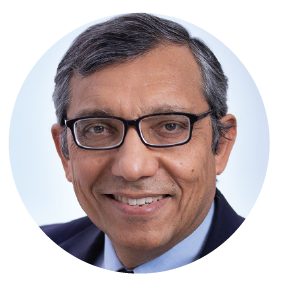
Distinguished University Professor and Founding Director, Institute for Global Health and Development and the Centre of Excellence in Women and Child Health, Aga Khan University
Director (Aged Care Services), Ageing Planning Office, Ministry of Health, Singapore
Arjun is Director (Aged Care Services) in the Ministry of Health’s Ageing Planning Office. He oversees the strategies and policies for aged care services in community- and home-based settings, as well as palliative care. These services support our seniors to stay active, remain socially connected, and receive care in their communities.
Before his appointment at MOH, Arjun served at the Strategy Group in the Prime Minister’s Office, the Ministry of Education, and the Ministry of Transport.
Director-General of the Health Policy Agency, Ministry of Health, Republic of Indonesia
Dr. Asnawi Abdullah is a distinguished professor of public health with 30 years of experience encompassing Dr. Asnawi Abdullah is a distinguished professor of public health with thirty years of experience spanning research, consultancy, and academic leadership. He currently serves as the Director-General of the Health Policy Agency at the Ministry of Health, Republic of Indonesia, and holds the esteemed position of Chairman of the Indonesian Association of Public Health Higher Education Institutions (AIPTKMI). Previously, he served as Vice-Rector for Academic Affairs and as Director of the Postgraduate Programme at Universitas Muhammadiyah Aceh. As an academic, Professor Abdullah demonstrated his commitment to excellence by serving three consecutive terms as Dean of the Faculty of Public Health. His academic credentials are formidable; he holds a PhD in Epidemiology and Population Health from Monash University, complemented by two Master’s degrees — one in Health Services Management from Monash University and another in Health Policy, Planning, and Financing from the London School of Economics and the London School of Hygiene & Tropical Medicine (LSHTM). This diverse educational background provides him with a comprehensive understanding of public health issues and systems. Beyond academia, Professor Abdullah has contributed as a Monitoring and Evaluation (Monev) and Research Advisor for the AIPMNH Project and as a Research Officer at the Nossal Institute for Global Health. His expertise has also been sought by leading international organisations such as the World Bank, Asian Development Bank (ADB), UNICEF, and WHO, where he has provided consultancy on critical public health challenges including epidemiology, maternal and child health, health system strengthening, risk factors, and non- communicable diseases. His extensive skills in data analysis—including longitudinal studies, case-control studies, and surveys—and health policy and system analysis further enrich his capacity to address complex public health issues. Professor Abdullah’s dedication to research, leadership, and practical application makes him a highly valuable asset to the advancement of public health both nationally and internationally.
Senior Advisor, Global Centre for Asian Women’s Health, National University of Singapore
Christiani Jeyakumar Henry is a Senior Adviser at A*STAR. He obtained a PhD degree in nutrition from the London School of Hygiene and Tropical Medicine. Henry’s research focuses on translating nutrition research into food applications. In 2010, he was awarded the British Nutrition Foundation Prize for his outstanding contributions to nutrition, and in 2019, he was awarded the Kellogg’s International award for food research that led to a global impact.
Director, Institute for Health Metrics and Evaluation, University of Washington
Christopher J.L. Murray, MD, DPhil, is Professor and Chair of Health Metrics Sciences at the University of Washington and Director of the Institute for Health Metrics and Evaluation (IHME). His career has focused on improving population health worldwide through better evidence. A physician and health economist, his work has led to the development of a range of new methods and empirical studies to strengthen health measurement, analyse the performance of health care systems, understand the drivers of health, and produce forecasts of the future state of health.
Dr Murray founded IHME, an independent research institution that provides rigorous and comparable measurement of the world’s most important health problems and evaluates the strategies used to address them through the application of innovative scientific methods. The resultant policy-relevant evidence base informs decision-makers from local to global levels about the current state and future direction of population health and the resources and successful policies needed to improve it.
Dr Murray leads the Global Burden of Diseases, Injuries, and Risk Factors (GBD) enterprise, the single largest epidemiological enterprise of its kind in the world. He is an architect and co-author of the original GBD framework, a systematic effort to quantify the comparative magnitude of health loss due to diseases, injuries, and risk factors by age, sex, and geography over time. The GBD generates assessments for more than 370 diseases and injuries and 88 risk factors for 204 countries and territories and for subnational units in 21 countries.
During the COVID-19 pandemic, Dr Murray led critical analyses to understand its impact on health systems and the population as a whole, and the effectiveness of policy interventions to mitigate it. His work on COVID-19 demonstrates his and IHME’s ability to bridge the science–policy divide through consistent engagement with collaborators around the world. When the COVID-19 pandemic emerged, IHME rapidly pivoted to develop a bespoke data-driven modelling approach to COVID-19 for all affected countries, resulting in the world’s most comprehensive and accurate series of long-range forecasts and scenarios. The White House, European Commission, many governments in Latin America, Asia, the Middle East, and Europe, and regional organisations such as WHO EURO, PAHO, and Africa CDC used IHME COVID-19 forecasts and policy scenarios as a reliable, trusted source of evidence.
From 1998 to 2003, Dr Murray worked at the World Health Organization (WHO), where he served as the Executive Director of the Evidence and Information for Policy Cluster. He later became Director of the Harvard Initiative for Global Health and the Harvard Center for Population and Development Studies, as well as the Richard Saltonstall Professor of Public Policy at the Harvard School of Public Health (2003–2007).
He has authored more than 730 journal articles and authored or edited 17 books. Dr Murray holds Bachelor of Arts and Science degrees from Harvard University, a DPhil in International Health Economics from Oxford University, and a medical degree from Harvard Medical School. He is an elected member of the National Academy of Medicine (NAM) and the 2018 co-recipient of the John Dirks Canada Gairdner Global Health Award.
Chair Professor and Director, Global Centre for Asian Women’s Health, National University of Singapore
Prof Zhang is a Chair Professor at the NUS Yong Loo Lin School of Medicine, and the founding Director of the Global Centre for Asian Women’s Health (GloW) (www.glownus.org), and the Lead for Population Health Study Programme of Asian Center for Reproductive Longevity and Equity (ACRLE). Prof. Zhang holds an Adjunct Professorship in Nutrition at the Harvard T.H. Chan School of Public Health.
Prof. Zhang is a clinical epidemiologist, and an international lead expert in nutrition and lifestyle medicine and in women’s health research. Prof Zhang’s work unites biochemistry, genetics, nutrition, and clinical medicine. It is at the interface of aetiology and prevention strategies on cardio-metabolic health and healthy ageing over the lifespan and across generations. She is leading a multi-disciplinary research programme focusing on the improvement of women’s health and human potentials through diet and lifestyle modification, omics research, and early screening in general.
Coordinator for Health Information and Digital Health, WHO Regional Office for the Western Pacific
Dilip Hensman is currently the Coordinator for Health Information and Digital Health at the WHO Regional Office for the Western Pacific and has over 20 years of health systems experience serving in different developing settings including South Asia, Pacific Islands and the Mekong Region.
Dilip is passionate in finding practical and innovative evidence-based solutions to health system challenges faced by countries through better health information and Digital Health.
Unit Head, Data, Standards and Analytics, World Health Organization
Dr Haidong Wang serves as the Unit Head for Data, Standards and Analytics in the Department of Data, Digital Health, Analytics and AI (DDA) at the World Health Organization (WHO) Headquarters in Geneva. He oversees several of WHO’s flagship normative, statistical and analytical products, including the International Classification of Diseases (ICD), the Global Health Estimates (GHE), which provide comprehensive mortality and morbidity statistics for Member States, Universal Health Coverage (UHC) monitoring, the annual World Health Statistics (WHS) report, WHO’s Impact Measurement framework, and the Global Health Observatory (GHO).
Over the past two decades, Dr Wang’s career has centred on strengthening global and national health measurement through the development and application of innovative statistical, demographic and epidemiological methods. He has authored more than 100 peer-reviewed publications and contributed extensively to advancing the empirical basis for population health assessment worldwide.
Director, Heat Resilience and Performance Centre, National University of Singapore
Jason Lee directs the Heat Resilience and Performance Centre and co-leads the Human Potential Translational Research Programme at the Yong Loo Lin School of Medicine, National University of Singapore. Jason has been a Fellow of the American College of Sports Medicine since 2012 and completed his 12-year tenure at the DSO National Laboratories in 2018, culminating in his final appointment as Director of the Human Performance Programme. Drawing on his experience as a Commando Officer in the Singapore Armed Forces and his domain knowledge, he serves on various national and international panels related to human performance and safety. Jason’s main research interests are in fluid balance, thermoregulation, and mitigation strategies for improving human performance. He studies the physiological demands associated with passive and exertional heat stress and how humans adapt to ensure optimal performance and survival. A key outcome of his research is the formulation of a holistic heat-management system. This is achieved through profiling the associated heat strain in humans under various settings, designing and evaluating heat-mitigation strategies, and ultimately translating them into policies such as training directives, training safety regulations, and lesson plans. Knowledge gained from his research has also benefitted several other governmental agencies. Jason was the past Chair of the Scientific Committee on Thermal Factors at the International Commission on Occupational Health (2018–2024) and of the Heat Stress Work Group at the Ministry of Manpower, Singapore (2019–2020). He currently co-chairs the Heat Injury Clinical Practice Guidelines at the Ministry of Health, Singapore. He is on the management committee of the WHO-WMO Global Heat Health Information Network (GHHIN) and leads the GHHIN Southeast Asia Hub to scale up efforts in managing the complex health risks posed by rising ambient temperatures. Jason is also a member of the Expert Advisory Group at the Rockefeller Foundation.
Adjunct Assistant Professor, Signature Research Programme in Health Services Research & Population Health, Duke-NUS Medical School
Joel is an environmental epidemiologist with a background in public health and environmental engineering. His current research focuses on assessing the influence of climate variability and air quality on the risk of communicable and non-communicable health outcomes in human populations, as well as the evaluation of interventions and programmes to inform public health policy and practice. He previously consulted for the International Atomic Energy Agency (IAEA) and the World Health Organization (WHO) on vector-borne disease studies.
Co-Chair, Global Heat Health Information Network
Senior Advisor for Climate and Health, World Meteorological Organization
Senior Advisor on Climate, Environment and Health, Inter-American Institute for Global Change Research
Juli Trtanj is a pioneer in integrating climate, oceans, heat and health at the international, national, and local levels. Ms Trtanj has vast experience in creating, building and leading cross-sector, cross-disciplinary efforts to address threats to human, animal and ecosystem health, with a particular focus on governance and implementation. Currently, she is the Co-chair of the Global Heat Health Information Network (GHHIN), Senior Advisor for Climate and Health at the World Meteorological Organization (WMO), and Senior Advisor on Climate, Environment and Health at the Inter-American Institute for Global Change Research (IAI).
Previously, Ms Trtanj served for nearly 30-years at the U.S. National Oceanic and Atmospheric Administration (NOAA), where she created and led as the Executive Director of the National Integrated Heat Health Information System (NIHHIS)—a 30-agency federal collaboration working with state, local and non-federal partners to build a heat resilient nation.
While at NOAA, Ms Trtanj started the first multidisciplinary and multi-partner research programme on Climate Variability and Human Health. She developed and directed NOAA’s Oceans and Human Health Initiative, and NOAA’s One Health Initiative. In addition, Ms Trtanj co-chaired the interagency and multisector US Global Change Research Programme’s Climate Change and Human Health Group (CCHHG), the Group on Earth Observations (GEO), Health Community of Practice, and the WMO/ WHO Joint Study Group on Climate Services for Health.
Ms Trtanj has been a contributor, reviewer, and editor to sections of several Intergovernmental Panel on Climate Change (IPCC) and US National Climate Assessment reports. Ms Trtanj shared in the Nobel Peace Prize in 2007 which was awarded jointly to IPCC and former U.S. Vice President Albert Gore Jr. Ms Trtanj is the author of several book chapters and peer-reviewed journal articles, and has served on multiple expert committees of the U.S. National Academy of Sciences. Ms Trtanj earned a Master in Environmental Science from Yale School of Forestry and Environmental Studies, and a Bachelor of Science from the University of California Santa Barbara.
Assistant Professor of Health Metrics Sciences, Institute for Health Metrics and Evaluation, University of Washington
Katrin Burkart, PhD, is an Assistant Professor of Health Metrics Sciences at the Institute for Health Metrics and Evaluation (IHME) at the University of Washington. Her research is driven by a deep commitment to uncovering the determinants and risks that shape human health in a permanently changing world and providing policy-relevant evidence supporting the most impactful interventions. Since joining the University of Washington, she has forged a highly active research programme on environmental and occupational determinants of disease risk, health effects from climate change, and developed innovative methods to estimate the burden of viral diseases using real-world data.
Prior to coming to the University of Washington’s Institute for Health Metrics Science, Dr Burkart was a Postdoctoral Research Scientist in the Department of Environmental Health Sciences at the Mailman School of Public Health at Columbia University in New York. Dr Burkart received her doctorate from the Humboldt Universität zu Berlin, Germany, where she conducted research on the short- and long-term impacts of temperature and thermal conditions on human mortality in Bangladesh.
Dr Burkart has published numerous peer-reviewed scientific papers that have been widely cited within the academic community. Her work has also been featured in prominent media outlets, including CNN, Scientific American, and Pharmacy Times.
Lead Research Scientist, Institute for Health Metrics and Evaluation, University of Washington
Liane Ong is a senior research scientist at IHME where she heads the Brain, Back Pain and other MSKs, Injuries, Renal, Respiratory, Diabetes, Drugs, Dental, Skin and Sensory team (BIRDS). She has worked on the Global Burden of Disease project since 2016, and her team is responsible for the global estimates of over 125 diseases, injuries, and risk factors. Prior to IHME, she worked at the US Centers for Disease Control in foodborne disease epidemiology.
Associate Professor and Director, NUS-IHME Global Burden of Disease Research Centre, National University of Singapore
Marie Ng, PhD, is an Associate Professor at the Yong Loo Lin School of Medicine, National University of Singapore (NUS) and an Affiliate Associate Professor at the Institute for Health Metrics and Evaluation (IHME), University of Washington. She serves as the Director of the NUS-IHME Global Burden of Disease Research Centre, where she leads the GBD research initiative and drives policy application across the ASEAN region and beyond.
A statistician by training, Marie’s career spans both academia and industry, including leadership roles in tech and consulting. including leadership roles in tech and consulting. She has led data science teams in developing innovative solutions to translate complex population health problems into actionable insights. Marie is committed to empowering clinicians, researchers, and health stakeholders to access and apply quantitative evidence for better decision-making, to tackle pressing challenges and improve global health.
Professor of Health Metrics Sciences, Institute for Health Metrics and Evaluation, University of Washington
Mohsen Naghavi, MD, PhD, MPH, is a Professor of Health Metrics Sciences and Director of Subnational Burden of Disease Estimation at the Institute for Health Metrics and Evaluation (IHME) at the University of Washington. In this role, he leads the Institute’s work on subnational analysis of disease burden, working closely with international collaborators and country governments, including projects in Brazil, Russia, Iran, China, and Ethiopia. He is also GBD team leader of the causes of death, intermediate causes and linkage data team, antimicrobial resistance team and skin diseases team. Additionally, Dr Naghavi is a member of the Global Burden of Disease Scientific Council, which helps guide the research of the GBD collaboration.
Prior to his work at IHME, Dr Naghavi was a Research Fellow at the Harvard Initiative for Global Health. Prior to this work, Dr Naghavi was a senior expert on primary health care, disease, injury, and causes of death in Iran, having spent most of his career at the Ministry of Health and Medical Education, running numerous programmes and initiatives including causes of death registration in Iran. At the Ministry, Dr Naghavi headed the Applied Research Center for Health. In 2015 and 2016, he was named one of the world’s “most influential scientific minds” by Thomson Reuters.
Dr Naghavi studied at Tehran University and received an MPH, a PhD in Epidemiology, and a medical degree.
Professor of Global Health and former Director, London School of Hygiene & Tropical Medicine
Chair, Global Burden of Disease Independent Advisory Committee
Peter Piot MD PhD is a Professor of Global Health and former Director of the London School of Hygiene & Tropical Medicine, Senior Advisor at the Gates Foundation, and visiting professor at the KU Leuven, and the National University of Singapore.
He was Special Advisor to EC President von der Leyen on Health Security, and was the founding Executive Director of UNAIDS and Under-Secretary-General of the UN. He co-discovered the Ebola virus in 1976, and led research on HIV, women’s health and infectious diseases. His MD is from Ghent and PhD from Antwerp, and worked at the Institute of Tropical Medicine, Antwerp; the University of Washington, Seattle; the University of Nairobi; Imperial College London; the Collège de France, Paris.
He is a member of the Belgian, American, British, and French Academies of Medicine, and the German Academy of Sciences Leopoldina. He is Chair of the Strategic Committee of the Pasteur Network, Paris; the Advisory Committee of the Global Burden of Disease, Seattle; of PREPARE, Singapore; and of JIHS, the Japan Institute of Health Security; and was a founding Board Member of CEPI, and of the Global Fund to fight AIDS,TB, Malaria.
He was made a Baron in his native Belgium, and received a UK Knighthood, and the Grand Cordon of the Rising Sun, Japan. His awards include the Canada Gairdner Global Health Award , Robert Koch Gold Medal , Prince Mahidol Award, Hideyo Noguchi Africa Prize , Nelson Mandela Award for Health and Human Rights, Paul Harris Fellow, WHO Life Achievement Award, and was a 2014 TIME Person of the Year. He has published over 650 scientific articles and 17 books, including No Time to Lose, available in 5 languages.
Head of Ageing and Health, World Health Organization
Dr Ritu Sadana is a global leader in public health who has shaped the World Health Organization’s (WHO) strategies on ageing, equity and the life course. She currently leads WHO’s efforts to align services and systems to optimise health and well-being at every stage of life. She is lead author of the WHO Framework to Implement a Life Course Approach in Practice – a forward looking initiative that bridges child, adolescent, adult and older people’s health to improve health trajectories and reduce inequalities. As Head of Ageing and Health at WHO, Dr Sadana spearheaded the first WHO Global Strategy on Ageing and Health, conceived the United Nations Decade of Healthy Ageing 2021–2030—endorsed by the UN General Assembly—and led development of the Decade of Healthy Ageing: Baseline Report, documenting strategies to accelerate country-level progress.
She led the Secretariat for WHO’s Council on the Economics of Health for All and coordinated a WHA resolution on aligning economies with health and well-being. Earlier in her career, Dr Sadana led a multi-disciplinary research team in Cambodia and contributed to the foundational Global Burden of Disease Study, led WHO’s research on the social determinants of health and advanced equity-focused research policy. Her 30-year career reflects a deep, sustained commitment to science-driven policy and health for all.
Dr Sadana is a double Bruin with a BA in History and an MS in Public Health from the UCLA Fielding School of Public Health, and a Doctor of Science from Harvard University with training in economics and epidemiology, she brings analytical depth to strategic global work.
Vice-Dean (Research) and Zayed bin Sultan Al Nahyan Professor of Medicine, Yong Loo Lin School of Medicine, National University of Singapore
After graduating from the National University of Singapore Yong Loo Lin School Of Medicine Professor Roger Foo undertook his postgraduate clinical training at King College Hospital London and Addenbrooke’s Hospital Cambridge. For his research training, he worked in the labs of the late Professor David de Bono (British Heart Foundation Chair of Cardiology, Leicester), Professor Morris Brown (past president British Hypertension Society, and Professor of Clinical Pharmacology, Cambridge), Professor Martin Bennett (BHF Chair of Cardiovascular Sciences, Cambridge) and Professor Rick Kitsis (The Dr. Gerald and Myra Dorros Chair in Cardiovascular Disease, Albert Einstein College of Medicine, NYC). His research projects were funded by both The Wellcome Trust and the British Heart Foundation through fellowships and project grants.
Roger serves as the Vice Dean of NUS Medicine and is the Director of the Cardiovascular-Metabolic Disease Translational Research Programme.
His clinical practice is based at the NUHS National University Heart Centre, and his labs are at the NUS MD6 Centre for Translational Medicine, and A*STAR Institute of Molecular and Cell Biology (IMCB). Research in the lab makes use of genomic technology to study the cardiac epigenome and hunt for novel Heart Failure mechanisms.
Roger enjoys reading scientific, historical and current affairs literature. He keeps as much as possible to a daily swimming regime, and uses WhatsApp and Instagram to keep up with the dizzy lives of his grown-up children who live abroad.
Principal Social Sector Economist, Asian Development Bank
Dr Rouselle F. Lavado is a health economist with 18 years of experience leading operations and research at the Asian Development Bank, World Bank, and World Health Organization. She currently serves as the economist in charge of health, social protection, and education at the Asian Development Bank, where she leads and oversees loan, grant, and technical assistance operations in human capital development. She directs sector diagnostics, knowledge solutions, and multi-sector strategies in close collaboration with operations and research teams, while cultivating partnerships and advancing knowledge sharing with governments.
Dr Lavado is a global expert on financial risk protection and was a core member of the WHO–World Bank Global UHC Monitoring Team. She holds a PhD in Public Policy (Health Economics) from Hitotsubashi University, Japan, and completed her postdoctoral training at the Institute for Health Metrics and Evaluation, University of Washington.
Director, Disease Policy & Strategy Division, Ministry of Health, Singapore
Clinical Associate Professor Ruth Lim, a family physician by training, has been with the Ministry of Health, Singapore, since 2019. She is currently the Director of the Disease Policy & Strategy Division. Ruth is passionate about laying a firm foundation for transforming our healthcare system through Singapore’s Healthier SG efforts and ensuring that preventive care efforts and management of lifestyle risk factors are part of the healthcare journey.
Senior Advisor, JLI Center of Global Health Diplomacy
Syarifah Liza Munira is a health economist with over 25 years of experience in health systems, financing, and public policy. She served as the inaugural Director General for Health Policy at Indonesia’s Ministry of Health and has senior roles with World Health Organization, World Bank, and Global Fund, where she pioneered the world’s first trilateral debt-to-health swap.
She currently serves on the Governing Board of the Pandemic Fund, is Vice-Chair of the Board of HealthAI, a panel member of the G20 High Level Independent Panel on Pandemic Preparedness and Response (PPR) Financing, and a member of the IHME Independent Advisory Committee. She is also Senior Advisor to the JLI Center of Global Health Diplomacy and a Senior Lecturer in Economics at Universitas Indonesia.
Chief Representative and Director of the CMB Foundation Bangkok Office
Dr Thaksaphon Thamarangsi, a Thai national-commonly known by his nickname ‘Mek’, is a health policy and system scholar-with expertise in global health, policy process analysis, health promotion, NCD prevention and control and health system strengthening. He is currently the Chief Representative and Director of the CMB Foundation Bangkok Office. Between 2015 to 20225; Dr. Mek had served WHO Regional Office for South-East Asia, in many roles including Director Non-Communicable Diseases and Environmental Health; Director Healthier Population and Non-Communicable Diseases; Coordinator (Integrated Health Services), and as the Director, Programme Management. Prior to 2015, Dr Thaksaphon had served Thailand in many roles including Director of the Center for Alcohol Studies (CAS), Manager of the Thai NCD Network, and Director of the International Health Policy Programme (IHPP). Dr Thaksaphon became a medical doctor and Master of Public Health both from Mahidol University-Thailand, and later PhD on Health Policy from Massey University, New Zealand.
Visiting Professor, Yong Loo Lin School of Medicine, National University of Singapore
Professor Tikki PANG is an Indonesian citizen and is presently Visiting Professor, Yong Loo Lin School of Medicine, National University of Singapore, and was previously Visiting Professor, Lee Kuan Yew School of Public Policy (2012-2020), National University of Singapore He was formerly Director, Research Policy & Cooperation, Evidence & Information for Policy Cluster, World Health Organization (WHO), Geneva, Switzerland (1999-2012). He has held senior academic positions at the University of Malaya, Kuala Lumpur, Malaysia, including as Professor of Biomedical Sciences at the Institute of Advanced Studies and as Lecturer/Associate Professor at the Faculty of Medicine (1977-1999. He holds a PhD in Immunology from the Australian National University, Canberra, Australia and is a Fellow of the Royal College of Pathologists (UK), American Academy of Microbiology (USA), and Academy of Medicine of Malaysia. He has published >250 scientific articles, and was lead author on several major WHO reports including the World Health Report 2013: Research for Universal Health Coverage (2013), Knowledge for Better Health (2004) and Genomics and World Health (2002). He was previously Chair of the Board of Directors of the Asia Pacific Leadership Malaria Alliance (APLMA and of the Southeast Asia Community Observatory (SEACO). Professor Pang has a recognisable profile as a global health expert and his research interests are in the fields of infectious diseases, vaccines, biosecurity, pandemic preparedness, global health governance, health research systems, and linkages between evidence and policy.
Dean and Distinguished Professor, Institute of Nutrition, School of Public Health, Fudan University
Dr Xiang Gao is the Distinguished Professor, Dean of Institute of Nutrition, Dean of Clinical Research Institute, Fudan University, Shanghai, China. Before returning to Shanghai, he was Professor and the Schreyer Distinguished Honors Faculty at the Penn State University, USA. His research interests include nutrition, neurological diseases, and aging. He has published more than 400 articles in peer-reviewed journals and served on committees of UNESCO and FAO.
Dr. Gao is the recipient of several international awards for his research, such as the Wayne A. Hening Sleep Medicine Investigator Award from the American Academy of Neurology (2011), the Samuel Fomon Young Physician Investigator Award from American Society for Nutrition (2015), and the Distinguished Achievement Alumni Award from Tufts University (2024).
Dr. Gao graduated from Shanghai Jiaotong University School of Medicine (MD), Peking Union Medical College (MS in Epidemiology) and Tufts University (PhD in Nutritional Epidemiology).
Dean and Professor, Saw Swee Hock School of Public Health, National University of Singapore
Vice President (Global Health), Office of Global Health, National University of Singapore
Professor Yik-Ying Teo is the Dean of the Saw Swee Hock School of Public Health at the National University of Singapore. He is also Vice President (Global Health) overseeing the University’s Office of Global Health.
Prior to his Deanship, he was the Founding Director of the School’s Centre for Health Services and Policy Research (CHSPR) and also served as the Director of the former Centre for Infectious Disease Epidemiology and Research (CIDER) from 2015 to 2017.
He is presently a member on the Council of Scientists for the International Human Frontier Science Program, as well as a governing board member of the Regional Centre for Tropical Medicine and Public Health Network for Southeast Asia.
Distinguished University Professor and Founding Director, Institute for Global Health and Development and the Centre of Excellence in Women and Child Health, Aga Khan University
Dr Zulfiqar A. Bhutta is the Distinguished University Professor and Founding Director of the Institute for Global Health and Development and the Centre of Excellence in Women and Child Health, at the Aga Khan University. He also holds the Robert Harding Inaugural Chair in Global Child Health at the Hospital for Sick Children, Toronto, Co-Director of the SickKids Centre for Global Child Health, unique joint appointments. He is also the Lawson Centre Distinguished Fellow in Climate Change, Food Systems and Child and Adolescent Nutrition at the University of Toronto and holds adjunct professorships at several leading Universities globally including Johns Hopkins University, Boston University, London School of Hygiene & Tropical Medicine and Karolinska Institute, his alma mater.
Hailing from a family of educationists and professional in Northwest Pakistan, Zulfi was educated at the University of Peshawar (MBBS) and trained in paediatrics in Pakistan and the UK before returning to his country and the newly established at the Aga Khan University in 1986. Dr Bhutta’s research interests include maternal, newborn and child survival, undernutrition and micronutrient deficiencies, and the interface of climate change, health and development. He leads large research groups based in Canada, Pakistan & Central Asia with a special interest in research synthesis, scaling up evidence-based interventions in community settings and implementation research in fragile health systems.
Over the years, his work has influenced the field of global child health and nutrition policy through numerous high impact trials, Lancet series and policy briefs. As one of the most highly cited academics in global health (H index 238, i10 index 1219, >410,000 citations), Zulfi has been ranked among the top 1% of Highly Cited Researchers globally by the Web of Science consecutively since 2013. He has received numerous awards over the years, including election to the National Academy of Medicine USA, the Royal Society of London and the International Science Council. He was awarded the Roux Prize 2021 for his work on evidence-based public health impact and is the recipient of the 2022 John Dirks Canada Gairdner Global Health award. In 2023 Dr Bhutta was also awarded one of Pakistan’s highest civil awards, the Sitara-i-Imtiaz in 2023 and appointed as an officer of the Order of Canada in 2024. In 2025 he received the Rosen Von Rosenstein Award from Sweden and the Virchow Prize for his contributions to promotion of equity in global maternal and child health.